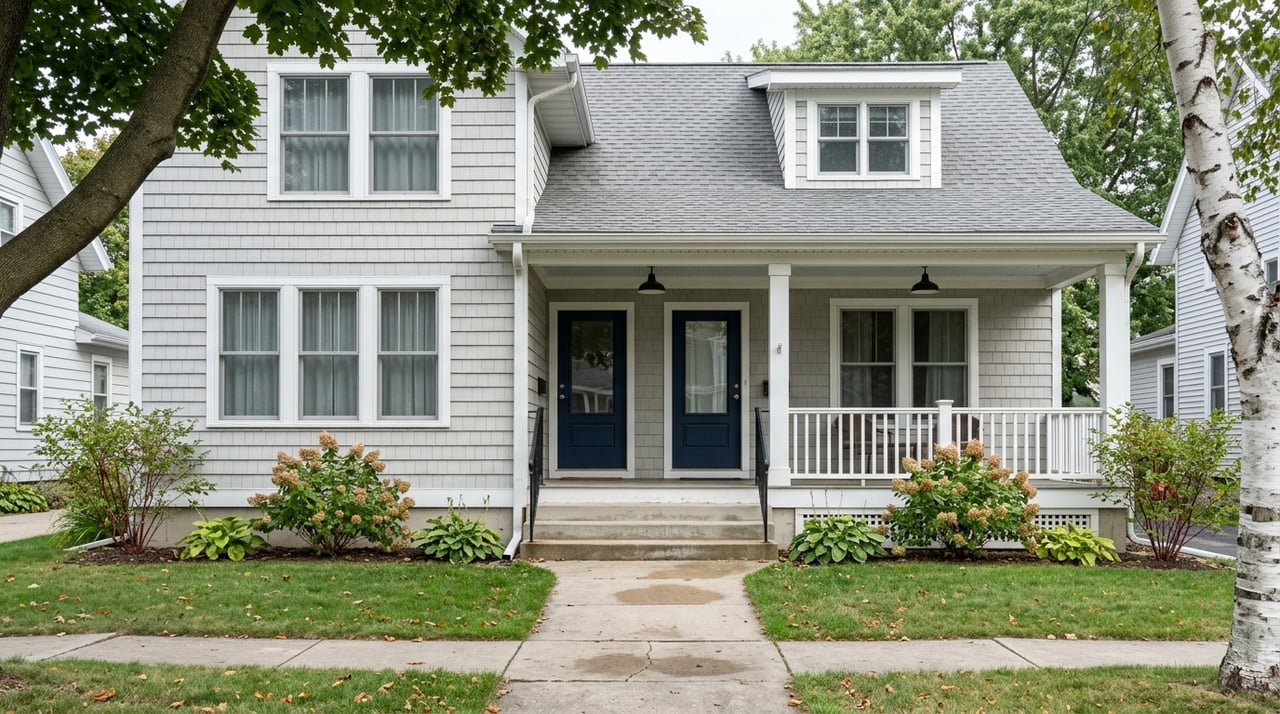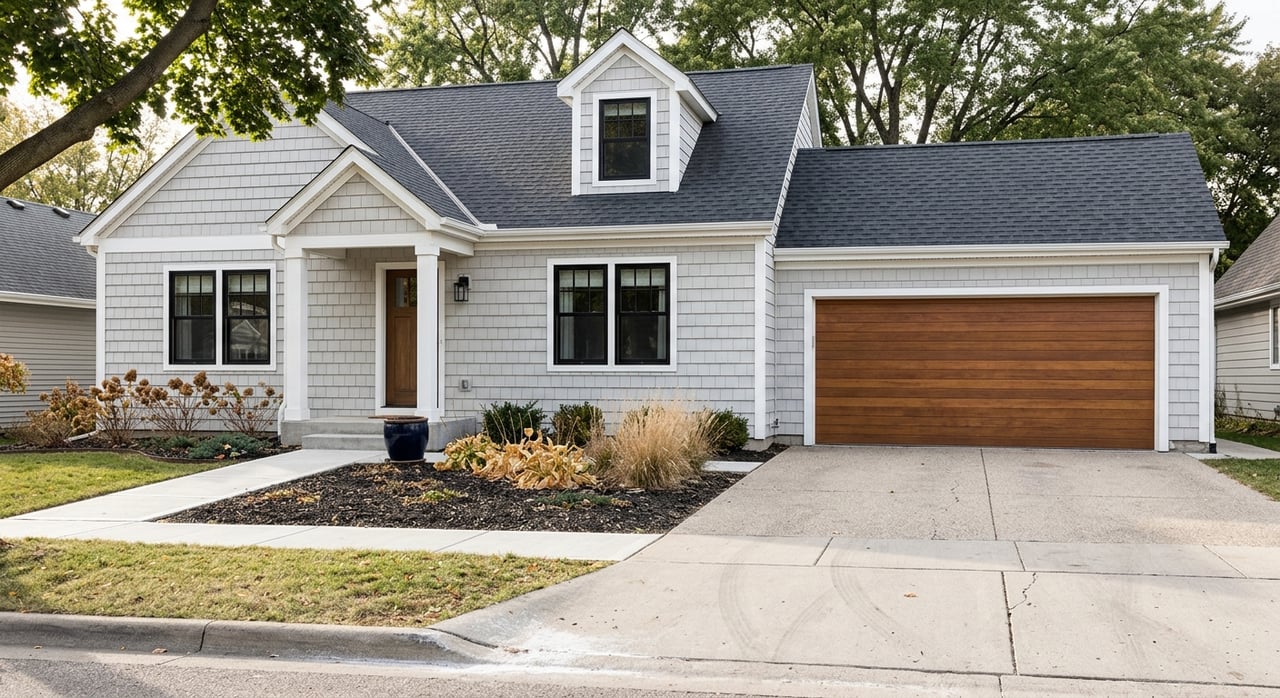
Thinking about a brand‑new home but wondering if an existing Altoona property might fit your budget better? You are not alone. Many buyers in Eau Claire County weigh customization against cost, timing, and risk before they decide. In this guide, you will see how new construction and resale homes stack up on price, cash needed, timelines, warranties, and long‑term costs so you can move forward with clarity. Let’s dive in.
Budget basics: new vs existing
When you compare a new build to an existing home, look beyond the sticker price. A resale’s price is usually the total you negotiate. A new build often starts with a base price that grows with options, the lot you choose, and site work.
- Existing home: You negotiate a purchase price, then handle standard closing costs. Inspection findings can lead to repairs or credits before closing.
- New build: The real cost equals base price plus options, upgrades, lot premium, and site work. It is common for buyers to spend 10 to 30 percent above the base price based on selections and the lot.
Upfront cash at purchase
Existing home
- Standard down payment and closing costs with a typical mortgage.
- You can often lock your interest rate before closing, which helps with predictability.
New build
- You may use a construction‑to‑permanent loan or short‑term construction loan. These can require interest‑only payments during the build and higher fees than a standard mortgage.
- Builders often need deposits at contract signing and progress payments tied to milestones or allowances for finishes.
Monthly and long‑term costs
- Taxes and assessments: New construction can be reassessed as improvements are completed. Ask how quickly new value is added to the tax roll and whether your subdivision includes any special assessments for sidewalks, streets, or stormwater. The Wisconsin Department of Revenue provides helpful property tax guidance if you want to understand the basics of assessment and billing. Review the state’s overview on property taxes through the Wisconsin Department of Revenue.
- Energy and maintenance: New homes are built to modern codes with efficient systems, which can lower utility costs and reduce maintenance in the early years. Resale homes may need updates to roofs, HVAC, windows, or insulation sooner.
- HOAs and covenants: Many new subdivisions are governed by covenants and may have HOA fees that cover common areas or amenities. Review rules and fees upfront so you can compare apples to apples.
Timing and predictability
A key difference is when you can move in and how much time risk you carry.
- Existing home: You can search and make an offer right away. Once under contract, closing often takes around 30 to 45 days, then you can move in immediately.
- New construction: The process includes lot selection, design, permits, and the build itself. Production or semi‑custom builds typically take several months after permits, and custom homes often take longer. Weather, subcontractor schedules, and permit timelines add uncertainty. If your current home sells before the new one is ready, budget for interim housing and storage.
You can review how local building activity tracks over time through county‑level permit data in the U.S. Census Building Permits Survey.
Warranties, inspections, and quality
One benefit of building new is warranty coverage. Most builders offer industry‑standard tiers of coverage. Always read the fine print on what is covered and for how long.
- Typical builder warranty structure
- One year on workmanship and materials.
- Two years on major systems such as plumbing, electrical, and HVAC.
- Ten years on structural components. Coverage length and terms vary by builder.
Even with municipal inspections, consider hiring independent inspectors at key stages, such as pre‑drywall and final walk‑through. For resales, you will rely on a general home inspection and any specialized inspections you choose, then negotiate repairs or credits. For more background on new‑home processes and consumer education, visit the National Association of Home Builders.
Location and lot tradeoffs in Altoona
Where you build also shapes your budget and daily life.
- New subdivisions vs established neighborhoods: New communities around Altoona often offer modern infrastructure and floor plans, while established areas provide mature landscaping and proximity to existing services. Weigh your preferred setting, future neighborhood build‑out, and commute patterns to Eau Claire.
- Utilities and sewer: Confirm whether your target lot connects to Altoona municipal water and sewer or will need a private system. Connection fees and timing can affect your total cost and schedule. The City of Altoona planning and building pages are a good starting point for utility and permitting questions.
- Floodplain and wetlands: Some sites near the Chippewa and Eau Claire rivers may be in regulated flood zones or contain wetlands. That can affect insurance and development limits. Consult county mapping resources or speak with local officials before you write an offer on a lot.
- School boundaries and services: If school assignments or access to specific services matters to you, verify boundaries and locations directly with the appropriate district or provider.
Financing differences and strategies
- Existing home mortgage: Most buyers use a standard mortgage and can secure a rate lock shortly before closing. Payments start after closing.
- Construction‑to‑permanent or construction loan: You may make interest‑only payments during construction, then convert to a conventional mortgage at completion. Builder deposit requirements vary, so read the financing section of the contract closely.
- Rate and timing risk: Build timelines can shift. Discuss rate‑lock windows, extensions, and backup plans with your lender to avoid surprises.
- Bridge and sequencing: If you need proceeds from your current home to fund the new one, ask your lender about bridge options and talk with your agent about sale timing so you do not end up paying for temporary housing longer than expected.
Side‑by‑side comparison
| Category | New Construction | Existing Home |
|---|---|---|
| Total price | Base price plus options, lot premium, site work, and upgrades. Real cost often rises 10 to 30 percent above base. | Negotiated purchase price with known scope. Inspection may lead to repairs or credits. |
| Upfront cash | Deposits and progress payments. Construction‑loan interest during build is common. | Standard down payment and closing costs. Rate lock usually possible. |
| Timeline | Lot selection, design, permits, and build. Weather and trade availability can delay completion. | Search, offer, and close in about 30 to 45 days, then move in. |
| Warranties | Builder coverage typically 1 year workmanship, 2 years systems, 10 years structural. | No builder warranty. You rely on inspections and seller disclosures. Optional home warranty plans are separate. |
| Long‑term costs | Lower early maintenance and better energy efficiency under modern codes. | Potential near‑term updates to systems, roof, or insulation. |
| Taxes and fees | Reassessment as improvements are completed. Possible special assessments or HOA fees. | Existing tax history offers a baseline. HOA varies by neighborhood. |
Which option fits your profile?
- Choose a new build if you value customization, modern systems, and warranties, and you can manage a longer timeline with possible interim housing. This can work well for move‑up buyers who can leverage equity and are comfortable with the design process.
- Choose an existing home if you need to move soon, want predictable costs at closing, and prefer mature neighborhoods. This often fits first‑time buyers or anyone with tight timelines.
Smart steps for Altoona buyers
Use this checklist to protect your budget and time.
- Confirm utilities early. Ask whether your lot has municipal water and sewer and what connection fees apply. Start with the City of Altoona’s planning and building resources.
- Verify floodplain and wetlands. Review county mapping resources and speak with local officials if a lot is near rivers, streams, or low‑lying areas.
- Ask the assessor’s office how quickly new construction is assessed and how that could affect your first‑year tax bill. For statewide property tax guidance, consult the Wisconsin Department of Revenue.
- Get clear on builder allowances. Know what is included for flooring, cabinets, countertops, lighting, and landscaping so you can plan for upgrades.
- Budget contingency for site work. Grading, erosion control, rock removal, retaining walls, and driveways can add to your total.
- Plan financing timelines. Talk with your lender about construction‑to‑permanent loans, rate locks, and bridge options if you need to sell before you buy.
- Order independent inspections. Consider pre‑drywall and final inspections on new builds, and a general plus any specialized inspections on resales.
Questions to ask a builder
- What is included in the base price, and what are typical upgrade costs for kitchens, flooring, and lighting?
- How are site work and utility connections handled and priced?
- What is the expected start date and build window, and what can delay it?
- How do change orders work, and what are the markups and schedule impacts?
- What warranty coverage is provided for workmanship, systems, and structure, and who performs service?
- Can I hire independent inspectors at key milestones?
- How are deposits and progress payments structured, and are allowances realistic for my finish level?
Red flags in builder contracts
- Vague allowance amounts that will not cover the quality you expect.
- Strict limits on independent inspections or access to the site.
- One‑sided change‑order language with high markups and scheduling penalties.
- Unclear warranty terms, exclusions, or a start date that begins before closing.
- No lien release procedure for subcontractors and suppliers.
- Open‑ended escalation clauses without a cap or defined trigger.
Ready to compare your options?
Whether you are leaning toward a turnkey home in an established Altoona neighborhood or a lot in a new subdivision with room to customize, having a local advisor can save you time and help you avoid costly surprises. With 30 years helping Chippewa Valley buyers and sellers, I can help you weigh costs, line up inspections, and coordinate the timing if you need to sell and buy. If you want a calm, practical plan for your next move, connect with Wanda Johnson to get started.
FAQs
How do new build costs compare to existing homes in Altoona?
- A new build’s base price typically rises with options, lot premiums, and site work, and buyers often spend 10 to 30 percent above base. An existing home’s price is usually the negotiated total, with repairs or credits addressed after inspection.
What is included in a builder’s base price?
- Base pricing usually covers the structure and standard finishes. Items such as upgraded cabinets, countertops, flooring, lighting, landscaping, and sometimes driveways or appliances may be extra. Ask for a detailed inclusion sheet and realistic allowances.
How long does a new construction home take?
- After permits, production or semi‑custom builds commonly take several months, while custom homes often take longer. Weather, subcontractor availability, and permitting add variability, so plan for some timing risk.
Can I do independent inspections on a new build?
- Yes, and it is a smart move. Consider pre‑drywall and final inspections, and verify in your contract that independent inspectors are permitted. Municipal inspections do not replace buyer‑focused quality checks.
How do property taxes change on new construction in Eau Claire County?
- New construction is typically reassessed as value is added, so first‑year taxes can change. For statewide property tax guidance and definitions, review resources from the Wisconsin Department of Revenue.
Are floodplains a concern for lots near the Chippewa or Eau Claire rivers?
- Some parcels may be in regulated flood areas or include wetlands. This can affect insurance and buildability. Check county mapping resources and speak with local officials before committing to a lot.
Where can I research local building activity and market context?
- For permit trends, explore the U.S. Census Building Permits Survey. For consumer education on building, warranties, and process basics, visit the National Association of Home Builders.