What does an ordinary Tuesday look like when your backyard is Lake Wissota? Maybe a quiet paddle before work, a quick grocery run in Chippewa Falls, and a sunset cruise to cap the day. If you are weighing a move to the waterfront or a nearby neighborhood, you want the real picture: seasons, recreation, day-to-day services, and the practical rules that come with living by the water. This guide gives you a clear, local view so you can decide with confidence. Let’s dive in.
Lake Wissota at a glance
Lake Wissota is a man-made reservoir on the Chippewa River just east of Chippewa Falls, with shoreline in the towns of Lafayette, Anson, and Eagle Point. The Wisconsin DNR lists the lake at about 6,148 acres with depths reaching into the mid 60s to low 70s feet, depending on the basin and survey method. You will find both big open water and quieter bays that shape how people boat and fish day to day. For official lake facts, start with the DNR’s lake page and maps in the DNR library.
- Reference: See the DNR’s official lake facts for size, depth, and maps: Lake Wissota facts and maps.
- Park access: Lake Wissota State Park on the north shore offers hiking, camping, a sandy beach, and a boat launch. Explore amenities on the state park page.
Summer rhythms on the water
Warm-weather living centers on the lake. Pontoons, tubing, and skiing dominate the Big Lake on sunny days, while paddlers and anglers often slip into quieter corners like Moon Bay and Stillson Creek. Local buoys and maps mark slow and no-wake zones to keep traffic organized. For launch sites, rules of the water, and a handy map, use the lake association’s boating and access guide.
Want a boat without owning one? Several nearby businesses offer rentals, so it is easy to get guests on the water for a day. Check options compiled by the tourism bureau for pontoon and small-boat rentals.
Evenings often shift to lakeside decks and classic supper clubs reachable by car or boat. These spots function as informal community hubs all summer.
Seasons: spring to winter
Spring
As soon as the ice leaves, anglers get busy. Walleye move to spawning areas as water temperatures reach the mid 40s, and the DNR’s latest survey shows a strong walleye population with improving size structure. That early-season action draws boats to key shorelines. The same season also brings community stewardship, from water-quality monitoring to habitat projects documented in DNR reports.
- Learn more about fishery status and seasonal patterns in the DNR’s 2024 survey: Lake Wissota fisheries survey.
Fall
Cooler weather thins power-boat traffic. Smallmouth and walleye anglers keep lines in the water, and residents enjoy quieter mornings, crisp air, and fall color from the porch. It is a favorite time for year-round households who appreciate the slower pace.
Winter
Ice fishing and snow-season traditions take over when conditions allow. The state park maintains winter trails and links to the broader county network, but it does not monitor ice thickness, so plan around current conditions and safety guidance. Check activities and advisories on the park’s recreation page.
Fishing highlights you will notice
Lake Wissota supports a multi-species fishery with good walleye and trophy musky opportunities. You will also find smallmouth bass, northern pike, panfish, and catfish. Musky waters are classified at a high level here, and regular DNR spring and fall surveys guide stocking and management. If you live on or near the lake, you will feel the rhythm of early walleye runs, summer panfish activity, and fall bass tactics nearly from your dock.
- Details and data: DNR fisheries survey.
Everyday conveniences nearby
Groceries and essentials are a quick drive in Chippewa Falls, with broader retail and services in Eau Claire. Healthcare access has shifted recently due to hospital changes reported in 2024, so it is wise to confirm where you would go for urgent or specialty care. Local leaders have discussed how services are being rerouted in the region, which is important context for planning.
- Regional context: Read coverage of recent hospital changes and responses in the area from Wisconsin Public Radio.
For schools, assignments vary by address. If a specific property matters to you, confirm the boundary map before you buy. A starting example from the area is Stillson Elementary; always verify the official boundary for your address with the district.
Property styles on and near the lake
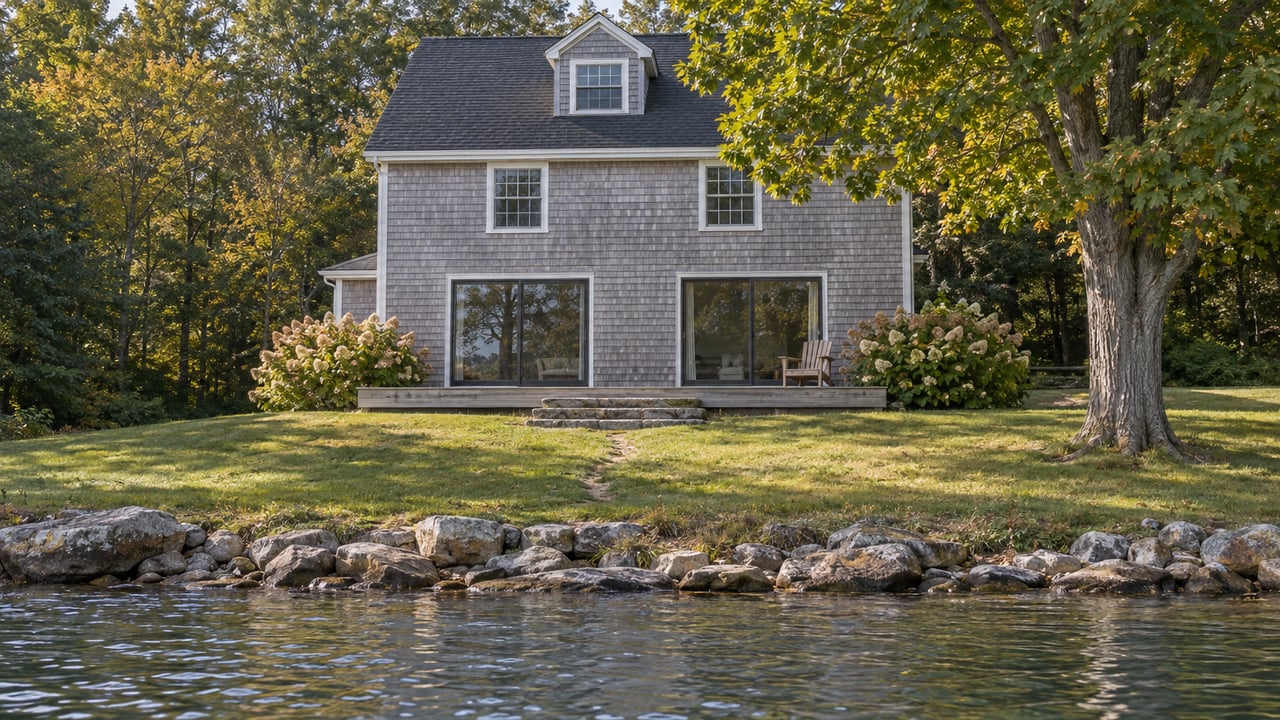
You will see a full spectrum along the shoreline and nearby roads. Many bays are heavily developed, with a mix that ranges from older seasonal cabins to fully renovated year-round homes and newer builds. Some buyers prioritize a low-maintenance cottage for weekend use, while others want a winterized primary home with drive-in access and modern utilities. Habitat projects in recent years have aimed to offset nearshore loss from past development, a reminder that the lake is both a neighborhood and an ecosystem.
- Background on shoreline conditions appears in the DNR’s 2024 fishery and habitat reporting: DNR survey.
Shoreline rules, docks, and permits
Wisconsin’s shoreland zoning sets a statewide baseline, and counties implement the details. A common baseline is a 75-foot setback from the ordinary high-water mark, with specific allowances in established neighborhoods. In Chippewa County, shoreland setbacks, boathouse and vegetation guidelines, and permitting are handled by Planning and Zoning. Before you change a dock, add a walkway, or clear vegetation, check the rules and confirm permits.
- Statewide overview: Wisconsin shoreland zoning basics
- Local rules and contacts: Chippewa County shoreland information
For launching, remember that sources list six to seven public landings depending on how ramps are counted. The lake association’s boating page is a practical starting point for launch locations and safety zones.
Septic, wells, and utilities
Many waterfront and near-water properties outside city or village limits rely on private wells and private onsite wastewater systems, called POWTS. As a buyer, request septic permits, as-built maps, pump service records, and recent well-water test results. It is smart to schedule a septic inspection and a state-certified lab water test during your inspection period.
- POWTS guidance and standards: Wisconsin DSPS POWTS program
Water quality and aquatic invasives
Like many large reservoirs, Lake Wissota can experience natural staining and seasonal algal blooms. Recent DNR monitoring reported lower Secchi depths and eutrophic measures in some conditions, so it pays to stay informed. Local groups and the DNR run education and prevention efforts, and the Clean-Drain-Dry message for boats is part of everyday lake life.
- Water monitoring and volunteer opportunities: Lake Wissota Stewardship Project
- Technical context: DNR fishery and water-quality report
Floodplain, roads, and winter access
Low spots around reservoirs can be sensitive to storm events and drawdowns. Some properties sit on private or town-managed roads, where winter plowing and access are coordinated locally. Before you buy, review floodplain maps and maintenance details with county planning.
Quick buyer due-diligence checklist
Use this short list to cover the essentials early:
- Septic system: permits, as-built, pump and service records, and a current inspection. See DSPS POWTS.
- Well and water test: recent lab results and any treatment equipment details. Ask for records and plan a new test during inspections.
- Shoreland rules: confirm setbacks, vegetation rules, and any boathouse or dock permits with Chippewa County Planning & Zoning.
- Floodplain status: verify maps and elevation for insurance and remodeling plans with Chippewa County.
- Launches and no-wake zones: review current maps from the Lake Wissota association.
- Stewardship and AIS: learn current conditions and volunteer options via the Lake Wissota Stewardship Project.
Community anchors and simple pleasures
Life here extends beyond your shoreline. Lake Wissota State Park programs add year-round variety, from family-friendly summer outings to winter trail days. Seasonal events like the Lafayette Fourth of July boat parade add color and connection, while Chippewa Falls and Eau Claire handle most errands, dining, and appointments. That blend of outdoor access and easy services is a core reason many households choose the lake area for full-time living.
Ready to make your move?
Whether you want a quiet bay for paddling or quick access to the Big Lake for skiing, the best fit comes from clear goals and careful due diligence. If you are exploring options on or near Lake Wissota, you deserve steady, local guidance that balances lifestyle with the practical rules of waterfront ownership. Connect with Wanda Johnson to map the right search, understand shoreland and septic details, and move forward with confidence.
FAQs
What is Lake Wissota’s size and layout?
- The DNR lists about 6,148 acres, with a mix of big open water and quieter bays that shape boating and fishing patterns. See official lake facts.
How busy does summer get on the lake?
- Summer is the main season for cruising, tubing, and skiing, with slow or no-wake areas marked. Find launch sites and safety zones on the association’s boating guide.
Are docks and boathouses allowed everywhere?
- It depends on your lot and local rules. Wisconsin has a shoreland framework, and Chippewa County sets and enforces details. Confirm setbacks and permits with Chippewa County Planning & Zoning.
What should I inspect for a waterfront home?
- Request septic permits and service records, a current well-water test, shoreline condition notes, and proof of any dock or boathouse permissions. See the DSPS POWTS program for septic basics.
How is fishing on Lake Wissota through the year?
- Spring walleye action is notable, summer offers panfish variety, and fall brings steady bass and walleye opportunity. Review the DNR’s fishery survey for current data.
What about water quality and algal blooms in summer?
- Seasonal blooms can occur, and monitoring is active. Local groups and the DNR track conditions and promote Clean-Drain-Dry. See the Lake Wissota Stewardship Project.
How close are schools and healthcare?
- School assignments vary by address. Check boundary maps, such as Stillson Elementary, and verify with the district. For healthcare, confirm current hospital and clinic options as services continue to adjust regionally, as reported by WPR.