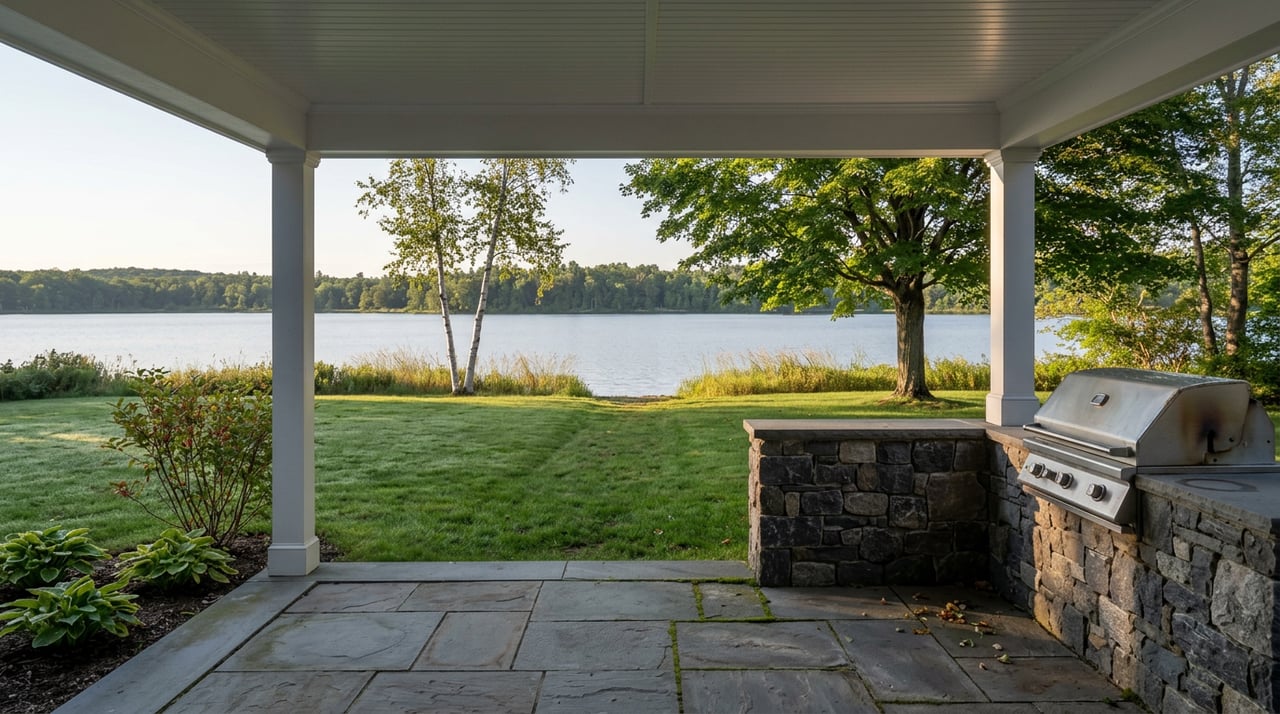
If you are dreaming about life on or near Lake Wissota, it helps to think beyond one perfect summer weekend. Living here means adjusting with the weather, the water, and the pace of each season. When you know what to expect, you can make a smarter move and enjoy the lake more fully year-round. Let’s dive in.
Lake Wissota Is a True Four-Season Market
Lake Wissota is a 6,148-acre reservoir on the Chippewa River in Chippewa County, northeast of Chippewa Falls. It is not a quiet, tucked-away pond with limited access. The Wisconsin DNR lists seven boat landings, one beach, and two public lands or parks on the lake, which points to an active, shared recreation setting.
That matters if you are considering a home here. Daily life is shaped by a busy waterway, public access, and a steady rhythm of outdoor use across the year. In short, Lake Wissota living is about more than waterfront views.
The local climate reinforces that point. Nearby climate normals show an average annual temperature of 44.7°F, about 32.99 inches of precipitation, and 55.4 inches of snowfall, so you should expect a full Upper Midwest seasonal cycle.
Spring at Lake Wissota
Spring Means Transition Everywhere
Spring near Lake Wissota is a season of change, not instant warm weather. Mean temperatures rise from 31.2°F in March to 44.8°F in April and 57.4°F in May, while snowfall drops from 9.6 inches in March to 4.3 inches in April and 0.4 inches in May. That mix often means winter is fading while open-water routines are just getting started.
If you live here, spring can feel busy in a practical way. Shorelines thaw, docks come back into focus, trails become more usable, and boat prep starts competing with late-season snow and mud. It is a season that asks for flexibility.
Spring Recreation Starts Before Summer
Spring is not only about getting ready for boating. Lake Wissota State Park notes that more than 200 bird species often stop at the lake and in the park during spring and autumn migrations. For many residents, that makes spring just as much about trail walks and birding as it is about the first day on the water.
The park is open year-round from 6 a.m. to 11 p.m., though a vehicle admission sticker is required. That gives you dependable access even when the season still feels in between.
Summer at Lake Wissota
Summer Is Peak Lake Season
Summer is when Lake Wissota leans fully into its lake lifestyle. Mean temperatures average 67.1°F in June, 71.3°F in July, and 69.1°F in August, which supports a long stretch of water-focused living. The DNR identifies boating, canoeing, kayaking, and water skiing as popular activities here.
Summer is warm, but it is not especially dry. Average precipitation stays meaningful at 4.83 inches in June, 3.61 inches in July, and 4.18 inches in August. So even during peak season, weather still shapes your plans.
Daily Life Gets More Active
If you buy near the lake, summer often brings more movement both on and off the water. Boat launches, trailer traffic, beach visits, and hosting become part of the weekly rhythm. Because Lake Wissota is a public recreation lake, you should expect more activity than you might find on a smaller private-feeling lake.
Lake Wissota State Park adds to that daily convenience. The park offers a boat launch and trailer parking, campsites, picnic shelters, and a beach. The swimming area has no lifeguards, which is an important detail for residents who treat the lake as part of regular life rather than an occasional destination.
Community Events Add to the Lifestyle
Summer around Lake Wissota is not only about water sports. The Town of Lafayette hosts an annual July 4 boat parade on Big Lake Wissota, and Chippewa Falls holds Pure Water Days parade and RiverFest in August. Across Chippewa County and the city, the seasonal calendar also includes recurring community events such as the Northern Wisconsin State Fair and Oktoberfest.
For buyers, that local event rhythm can be part of the appeal. You are not just choosing a property. You are choosing a place with an active seasonal pattern and a broader community calendar.
Fall at Lake Wissota
Fall Brings a Balanced Pace
For many full-time residents, fall may be the most balanced season on Lake Wissota. Average temperatures ease from 60.8°F in September to 47.5°F in October, then down to 33.4°F in November. As the air cools, the focus often shifts away from big-water recreation.
That does not mean activity slows down completely. It simply changes shape. Fall often becomes a season for fishing, hiking, biking, and shoreline maintenance.
Trails Matter in Fall
Lake Wissota State Park stays especially relevant in the fall. The park includes 20 miles of hiking trails and 18 miles open to off-road bicycles. The nearby Old Abe State Trail is a paved 20-mile route connecting Lake Wissota State Park and Brunet Island State Park.
If you plan to use the Old Abe State Trail, bikers and in-line skaters age 16 and older need a state trail pass. These trail systems help explain why fall near Lake Wissota often feels like a trail season as much as a lake season.
Chippewa County also highlights broader county forest recreation, including mountain bike, cross-country ski, horseback, and ATV trails. The county forest includes most of the county’s 22-mile Ice Age Trail, which expands your outdoor options beyond the shoreline.
Winter at Lake Wissota
Winter Changes the Entire Routine
Winter near Lake Wissota is not just a colder version of fall. It changes how the lake functions and how you move through daily life. Mean temperatures average 20.6°F in December and 14.6°F in January, with snowfall averaging 11.0 inches in December and 13.5 inches in January.
That climate shift turns the lake from boating territory into an ice-and-snow setting. If you are considering year-round living, this is one of the biggest mindset changes to understand.
Winter Recreation Stays Active
The outdoor lifestyle does not end when the water freezes. Lake Wissota State Park says ice fishing is popular, and it maintains 6 miles of cross-country ski trails, 6 miles of groomed multi-use trails, and 5 miles of snowmobile trails that connect to the Chippewa County snowmobile system.
At the same time, the park does not monitor ice thickness. That is a key point for anyone who plans to spend winter time on or near the lake.
Winter Living Takes Planning
Winter affects more than recreation. Chippewa County and Chippewa Falls both emphasize snow removal and winter road maintenance, and the county notes that spring weight limits may be imposed because of frost-depth concerns.
For homeowners, that means winter living comes with routine planning. Plowing, traction, driveway access, and road conditions become part of ordinary decision-making, especially in more rural stretches around the lake.
What Buyers Should Know About Shoreline Homes
Shoreland Rules Shape Ownership
Lake Wissota properties come with considerations that are different from many inland homes. Chippewa County shoreland zoning regulates land within 1,000 feet of a lake or flowage and generally requires a 75-foot setback from the ordinary high-water mark.
The county and DNR also note minimum standards for unsewered shoreland lots, including 100 feet of average width and 20,000 square feet of area. If you are buying waterfront, these rules can affect additions, shoreline work, docks, and lot changes.
Lake Homes Are Not One-Size-Fits-All
One practical takeaway is that the Lake Wissota market works on a spectrum. Some buyers want true waterfront ownership. Others may prefer near-water or off-water homes that still provide access to the lake lifestyle without the same level of shoreline responsibility.
That kind of comparison can be important if you are balancing budget, maintenance, and how often you expect to use the lake. A home close to Lake Wissota may fit your goals just as well as a home directly on the water.
Maintenance and Safety Are Part of the Lifestyle
Invasive Species Affect Routine
Lake Wissota is a heavily used lake, and the DNR lists verified aquatic invasive species including Eurasian water-milfoil, curly-leaf pondweed, rusty crayfish, and mystery snails. For residents, this is not just background information. It affects how you handle boats, trailers, and equipment.
Wisconsin DNR boat laws require people to drain water from boats, containers, and fishing equipment when leaving state waters. The DNR’s Clean Boats, Clean Waters program also places inspectors and volunteers at boat landings to help prevent the spread of aquatic invasive species.
Safety Requires Attention Year-Round
Lake living also calls for practical safety habits. The beach at Lake Wissota State Park has no lifeguards, and the park does not monitor ice conditions. Those details matter a lot more when the lake is part of your weekly routine.
In other words, year-round ownership comes with responsibility as well as recreation. Knowing that upfront can help you choose the right property and the right lifestyle fit.
What Lake Wissota Living Really Feels Like
Lake Wissota offers a lot to love if you want year-round outdoor access and a strong seasonal rhythm. Summer brings boating and gatherings, spring and fall support trail use and birding, and winter opens the door to ice fishing, skiing, and snowmobile connections. It is an active, engaging setting that changes with the calendar.
The trade-offs are just as real. Shoreland rules, launch traffic, invasive-species routines, and winter maintenance all come with the territory. If you understand those patterns before you buy, you can make a much more confident decision.
If you are weighing waterfront, near-water, or off-water options around Lake Wissota, having local guidance can make the process much clearer. Wanda Johnson brings decades of Chippewa Valley experience and practical, steady advice to help you find the right fit for how you want to live.
FAQs
What is Lake Wissota like year-round for full-time residents?
- Lake Wissota is a four-season environment with active summers, transitional springs, trail-focused falls, and winters shaped by snow, ice, and road maintenance.
What are summers like at Lake Wissota in Chippewa County?
- Summer is the main water season, with typical mean temperatures from 67.1°F to 71.3°F and popular activities like boating, kayaking, canoeing, and water skiing.
What should buyers know about Lake Wissota waterfront property rules?
- Chippewa County shoreland zoning regulates land within 1,000 feet of a lake or flowage and generally requires a 75-foot setback from the ordinary high-water mark, so waterfront changes often need closer review.
What outdoor activities are available near Lake Wissota in fall?
- Fall commonly shifts toward hiking, biking, fishing, and shoreline maintenance, with access to Lake Wissota State Park trails, the Old Abe State Trail, and county forest trail systems.
What are winters like near Lake Wissota homes?
- Winter brings cold temperatures, regular snowfall, and a routine shaped by plowing, traction, road conditions, and winter recreation such as ice fishing, skiing, and snowmobiling.
What safety and maintenance issues matter at Lake Wissota?
- Buyers should be aware of aquatic invasive species routines, required boat-draining practices, the lack of lifeguards at the state park beach, and the fact that the park does not monitor ice thickness.