Thinking about a move to Dunn County? If you want a place where daily life can feel a little more grounded, a little more connected to the outdoors, and still practical for work, errands, and everyday needs, Dunn County deserves a closer look. Whether you are buying your first home, planning a quieter next chapter, or relocating within the Chippewa Valley, understanding how this county lives day to day can help you make a confident decision. Let’s dive in.
Dunn County at a Glance
Dunn County covers about 858 square miles and had an estimated population of 46,135 in 2024. It includes 29 local cities, villages, and townships, with Menomonie serving as the county seat and largest city.
That setup shapes a lot of what it feels like to live here. You get one central hub for many daily needs, surrounded by smaller communities and more rural stretches. For many buyers, that means you can choose between a more in-town lifestyle, a village setting, or extra space outside the main population centers.
The county is also multi-generational. About 18.9% of residents are under 18, and 17.9% are age 65 and over. That mix often appeals to people who want a community with a range of life stages and housing needs rather than a one-note market.
Menomonie Anchors Daily Life
If you live anywhere in Dunn County, Menomonie will likely play a big role in your routine. It is the county's practical center for government, higher education, healthcare, shopping, and a large share of employment.
The city combines a historic downtown, Lake Menomin, a hospital and medical center, UW-Stout, and a broad industrial base. That gives Dunn County a distinct feel: part small college town, part working regional center, and part rural county.
For many residents, that balance is a major advantage. You can live in a quieter setting and still have access to many of the services and amenities you use every week.
Community Feel Across Dunn County
Dunn County is not one single lifestyle. Community profiles across the county point to places like Menomonie, Elk Mound, Boyceville, Colfax, Downing, Ridgeland, Wheeler, and Knapp, each contributing to the county's overall character.
For someone moving from a larger metro area, the biggest adjustment may be pace. Menomonie tends to be the center of activity, while much of the rest of the county feels more small-town or rural. That can be a real plus if you value elbow room, quieter roads, and a more laid-back daily rhythm.
This variety also matters when you start house hunting. Your ideal fit may depend less on the county as a whole and more on how close you want to be to Menomonie, major roads, or outdoor recreation.
Outdoor Access Is a Big Part of Life
One of the clearest perks of living in Dunn County is how easy it is to spend time outside. The county's recreation story is built around rivers, lakes, trails, and parks, which means nature is not just something you visit on special occasions.
The Red Cedar State Trail is a 14.5-mile rail trail that supports biking and bike-and-paddle trips. In winter, seven miles are groomed for skiing between Menomonie and Downsville, and two miles are open to snowmobiling near the Chippewa River State Trail junction.
The Dunnville Wildlife Area adds even more options. This 4,200-acre property between Menomonie and Durand supports hiking, biking, fishing, canoeing, kayaking, hunting, snowmobiling, and wildlife viewing.
Closer to town, Hoffman Hills offers 700 acres, more than 9 miles of hiking and cross-country ski trails, and a 60-foot observation tower. Local county park options also include Menomin Park, with more than 5 miles of mountain biking trails, and Myran Park, which offers camping, a boat landing, a walking trail, and river recreation.
For buyers who care about lifestyle, this matters. In Dunn County, outdoor time can be part of your weekly routine, not a long-planned getaway.
Work and Commuting in Dunn County
Dunn County works best for people who want practical access to jobs without giving up a more relaxed home base. Menomonie's economy includes manufacturing, healthcare, education, and public services, with employers such as 3M, Ford, Walmart Distribution Center, Conagra Foods - Swiss Miss, Cardinal FG, Andersen Windows, Phillips Plastics, a hospital and medical center, UW-Stout, Chippewa Valley Technical College, and the K-12 system.
That employment mix gives the area more stability than a place built around only one industry. It also means buyers moving for work may find a wider range of job types than they expect in a county with a strong rural identity.
Getting around is still largely road-first. Dunn County Transit provides scheduled Menomonie service, a demand-response door-to-door option, and Stout, evening, and weekend routes, but most residents will still rely heavily on driving.
Transportation links help keep the county connected. I-94 runs through the area as part of the Gateway Corridor, and major routes also include US 12 and WIS 25. There is also a park-and-ride lot in Elk Mound at I-94 and US 12, plus Menomonie Municipal Airport on the east edge of the city.
What Housing Looks Like Here
Housing in Dunn County offers variety, but the market also comes with real competition. According to the county's 2023 Housing Needs Assessment, housing availability is a serious issue, home prices continue to rise, and rents are increasing faster than incomes.
That tells you two things at once. First, demand is real. Second, going into the market with a clear plan matters, especially if you are trying to balance budget, location, and property type.
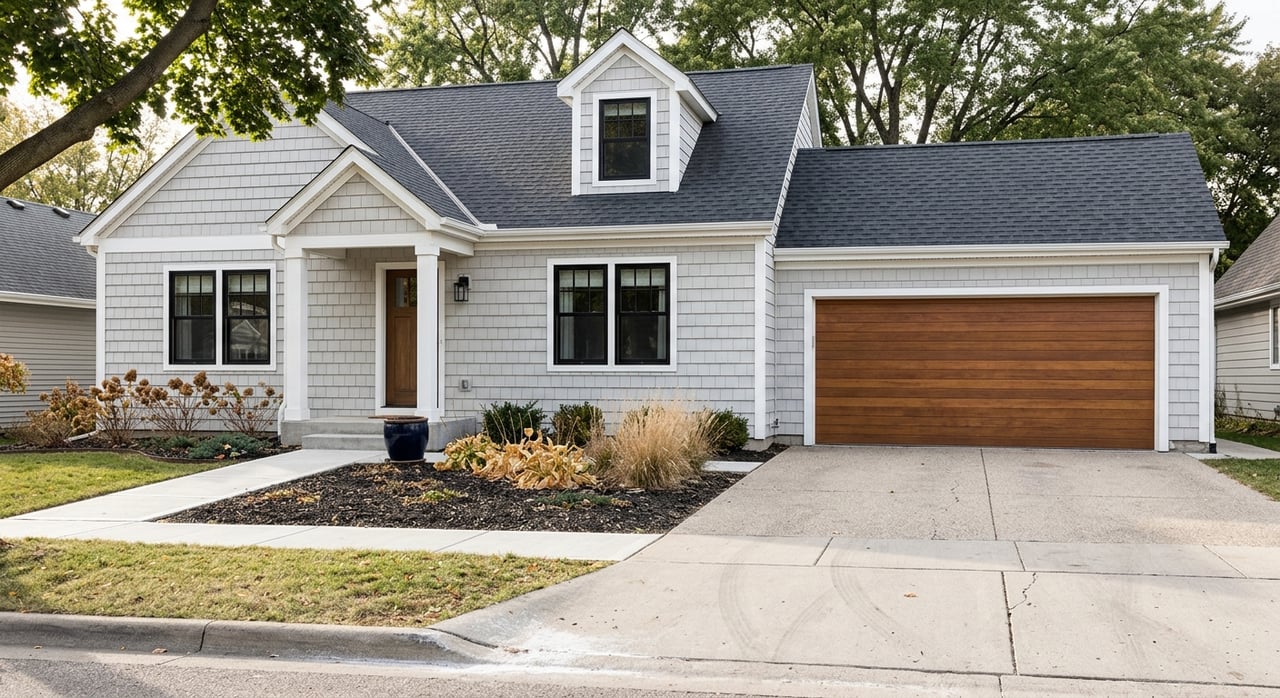
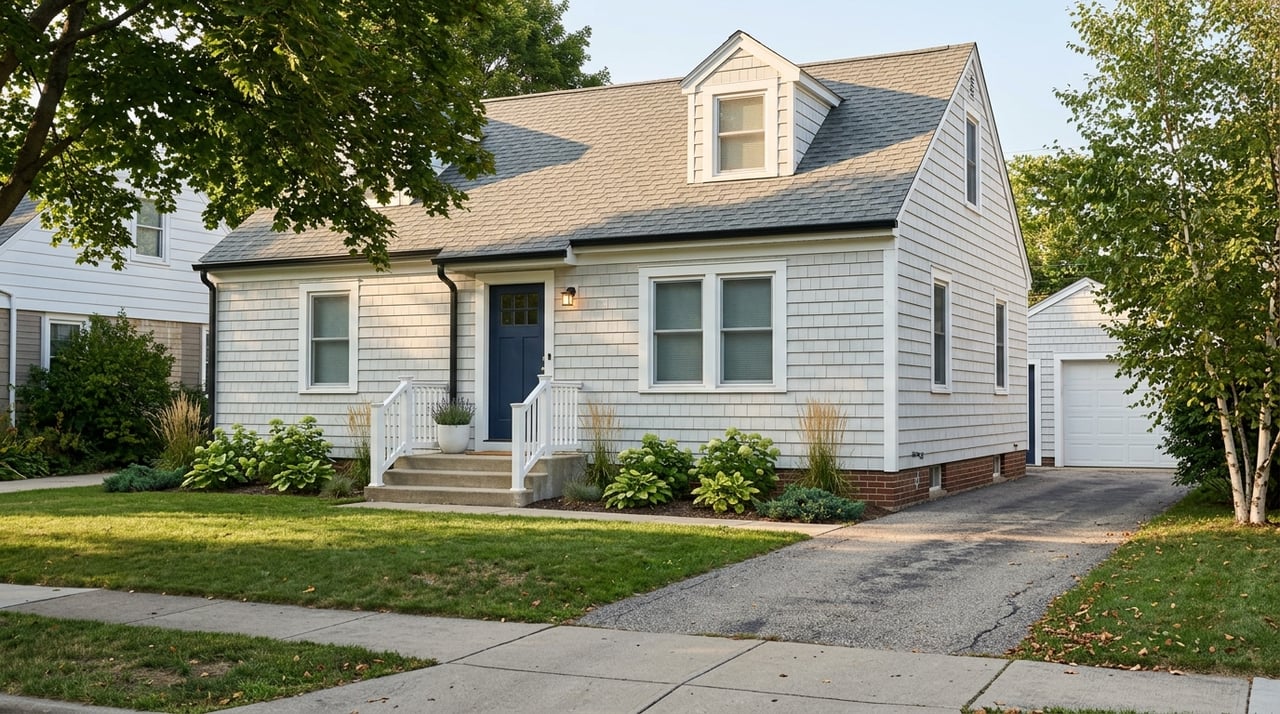
Dunn County's housing stock reflects its mix of town, village, and rural living. Owner-occupied homes are mostly three- and four-bedroom units, and the county includes rural acreage homes, village homes, starter homes, and a smaller apartment or manufactured-home segment.
Current Census data shows a 67.0% owner-occupied housing rate and a median owner-occupied home value of $243,200. The 2023 Housing Needs Assessment also reports a 2022 median home sale price of $260,000, up from $126,500 in 2010.
Buyers Should Expect a Tight Market
If you are shopping for a home in Dunn County, flexibility can help. The county added 371 new single-family homes and 8 duplex units from 2016 through June 2022, but the assessment still identifies availability as a serious concern.
Survey results in that same assessment show strong demand for smaller starter homes and twinhomes or duplexes. Senior respondents also expressed interest in senior apartments, assisted living, and some townhome or condo options.
In plain terms, many buyers are looking for practical, right-sized housing, and supply has not fully kept pace. If you are planning a move here, it helps to know early which trade-offs matter most to you, such as lot size, proximity to Menomonie, or lower-maintenance living.
Dunn County Can Fit Different Life Stages
One reason Dunn County appeals to a wide range of buyers is that it supports several different ways of living. You might want a starter home near everyday services, a rural property with more land, a home closer to recreation, or a lower-maintenance option for a later-life move.
That flexibility is important in a county with both younger households and older residents. The local housing conversation is not just about one type of buyer. It includes first-time buyers, move-up households, downsizers, and people looking for practical options tied to changing needs.
If you are selling in Dunn County, that also matters. Understanding who is most likely to buy your property, and how your home's location and features fit current demand, can make a meaningful difference in pricing and marketing strategy.
Why Many People Choose Dunn County
At its core, Dunn County offers a blend that can be hard to find. You have a central city with services, jobs, healthcare, and higher education, plus smaller communities and open space that create a quieter everyday feel.
You also have strong access to recreation, from trails and parks to water-based activities. For many people, that combination supports the kind of lifestyle they want: practical, scenic, and less rushed.
Of course, no market is one-size-fits-all. The right fit depends on your budget, commute, preferred setting, and long-term goals. But if you are looking for a place in western Wisconsin where you can find both convenience and breathing room, Dunn County is worth serious consideration.
If you are considering a move to Dunn County, buying your next home, or planning the sale of a property in the Chippewa Valley, working with an experienced local advisor can make the process much easier. Wanda Johnson offers trusted guidance for buyers and sellers across Dunn County and surrounding communities.
FAQs
What is daily life like in Dunn County, WI?
- Daily life in Dunn County is usually centered around Menomonie for work, shopping, healthcare, and services, while many other parts of the county offer a smaller-town or rural setting.
What makes Menomonie important in Dunn County, WI?
- Menomonie is the county seat and largest city, and it serves as the county's main hub for government, higher education, healthcare, employment, and many everyday amenities.
What kinds of outdoor activities are available in Dunn County, WI?
- Dunn County offers biking, hiking, skiing, snowmobiling, fishing, canoeing, kayaking, camping, mountain biking, and wildlife viewing through trails, parks, rivers, lakes, and natural areas.
What is the housing market like in Dunn County, WI?
- Dunn County has a varied housing stock, but the county's Housing Needs Assessment says availability is a serious issue, with home prices rising and rents increasing faster than incomes.
What types of homes are common in Dunn County, WI?
- Common housing types include three- and four-bedroom owner-occupied homes, rural acreage properties, village homes, starter homes, and a smaller supply of apartments and manufactured-home options.
Is Dunn County, WI a good fit for different life stages?
- Dunn County can work well for first-time buyers, move-up households, downsizers, and buyers seeking rural or lower-maintenance living because the county offers a mix of settings and housing types.